
How to Be a Poet (to remind myself)
i
Make a place to sit down.
Sit down. Be quiet.
You must depend upon
affection, reading, knowledge,
skill—more of each
than you have—inspiration,
work, growing older, patience,
for patience joins time
to eternity. Any readers
who like your poems,
doubt their judgment.
ii
Breathe with unconditional breath
the unconditioned air.
Shun electric wire.
Communicate slowly. Live
a three-dimensioned life;
stay away from screens.
Stay away from anything
that obscures the place it is in.
There are no unsacred places;
there are only sacred places
and desecrated places.
iii
Accept what comes from silence.
Make the best you can of it.
Of the little words that come
out of the silence, like prayers
prayed back to the one who prays,
make a poem that does not disturb
the silence from which it came.
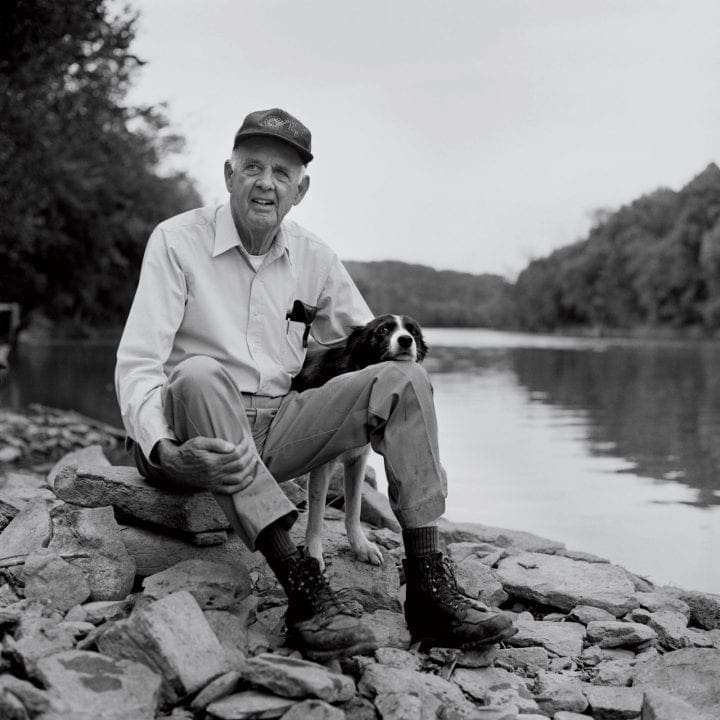
Wendell Berry
Wendell Berry is an American poet, novelist, essayist, farmer, and environmental activist whose writing explores land, community, work, nature, and our responsibility to the places we inhabit. Born in Henry County, Kentucky, Berry returned to his family’s farming community after studying at the University of Kentucky and has spent much of his life writing and farming there.
His poetry often finds profound meaning in ordinary rural life—fields, seasons, animals, labor, family, and the rhythms of the natural world. He is especially known for questioning modern ideas of progress and examining what happens when people become disconnected from land and community.
Berry has published more than 40 books of poetry, fiction, and essays. His honors include the National Humanities Medal, the PEN/Diamonstein-Spielvogel Award for the Art of the Essay, and the Cleanth Brooks Medal for Lifetime Achievement in Poetry. He was also inducted into the American Academy of Arts and Letters.
Berry is particularly useful for exploring attention to place, nature, simplicity, stewardship, and the extraordinary hidden within everyday life. His poems often ask us to slow down and really look at where we are.
